Take Control with Solar Energy
Now that you understand why electricity costs keep rising, here's how solar puts the power back in your hands—literally.
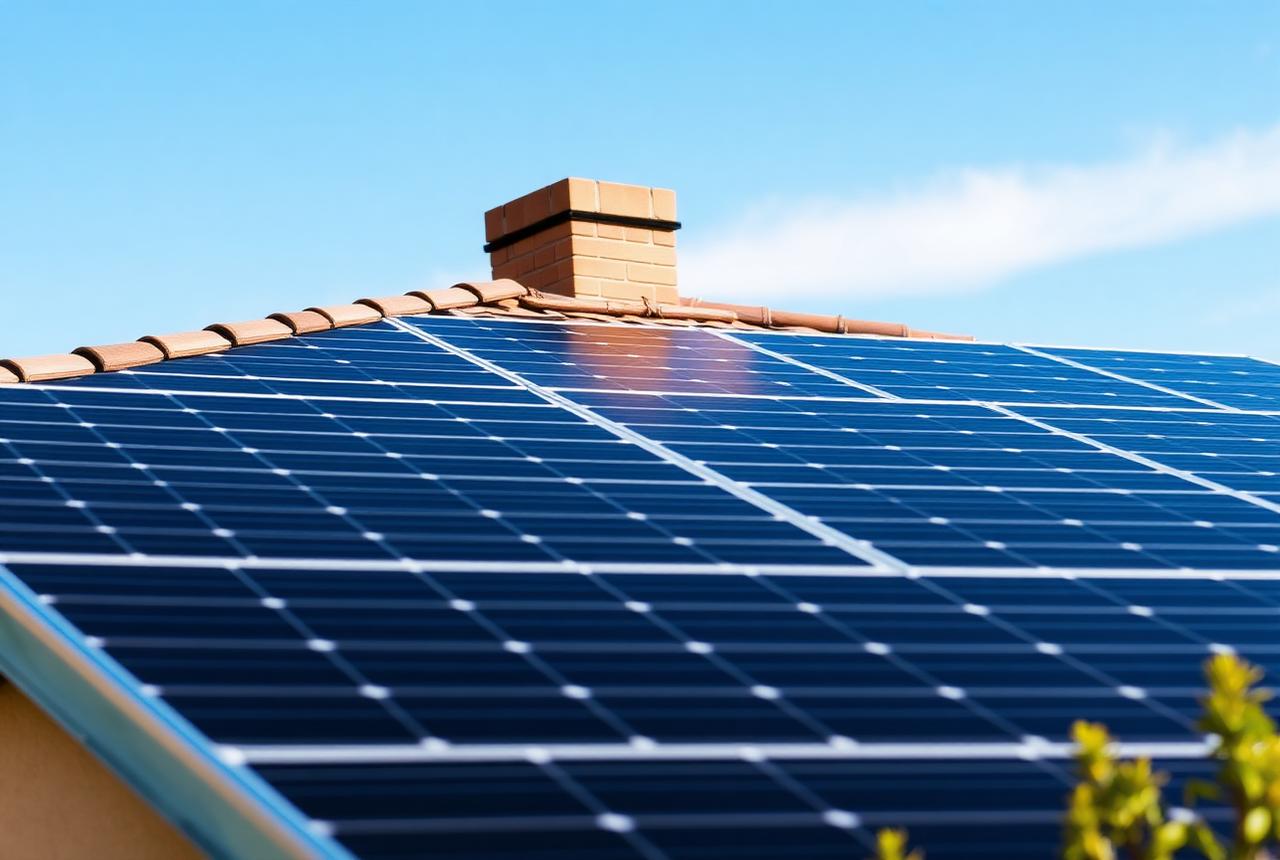
Sunlight Hits Your Panels
Solar panels contain photovoltaic cells that absorb photons from sunlight, exciting electrons in the silicon material.
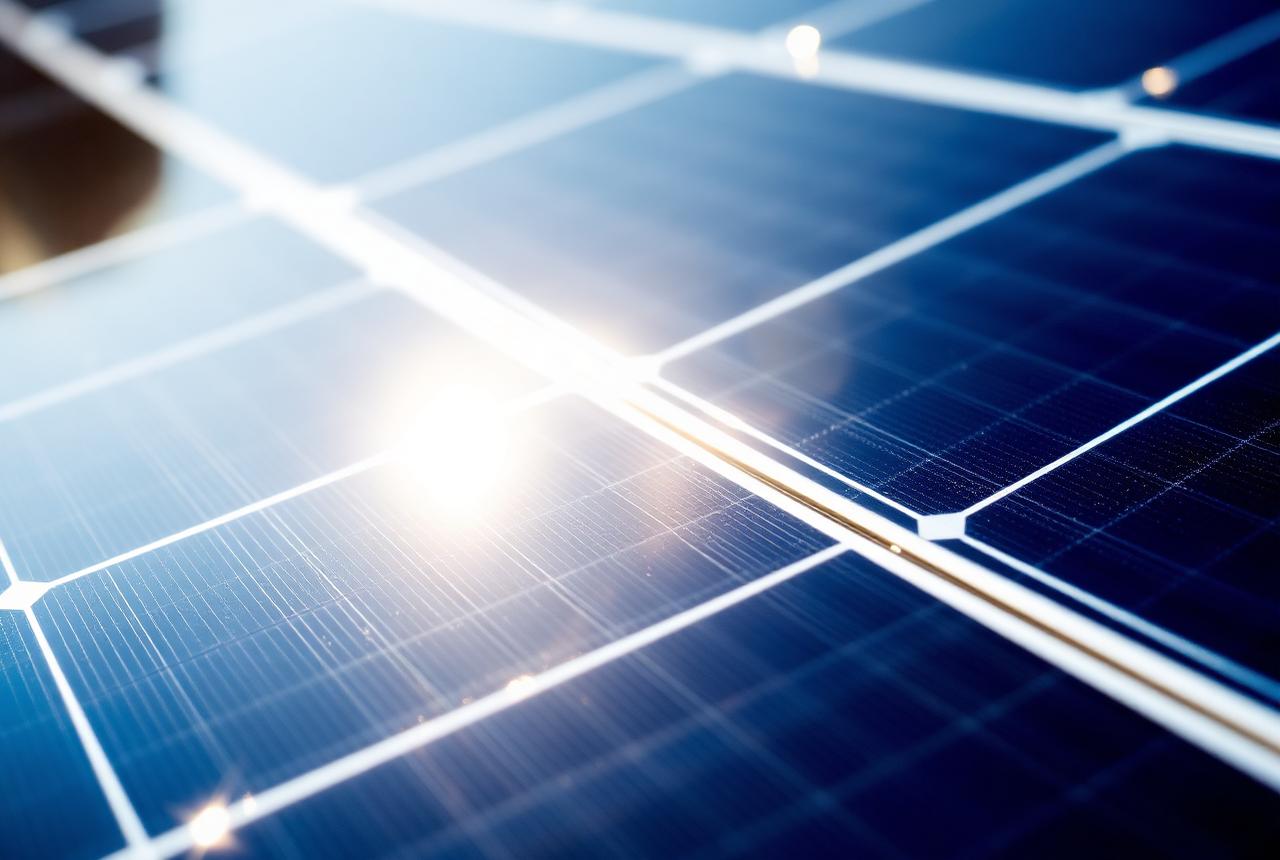
DC Electricity Generated
The movement of excited electrons creates a flow of direct current (DC) electricity within each solar cell.
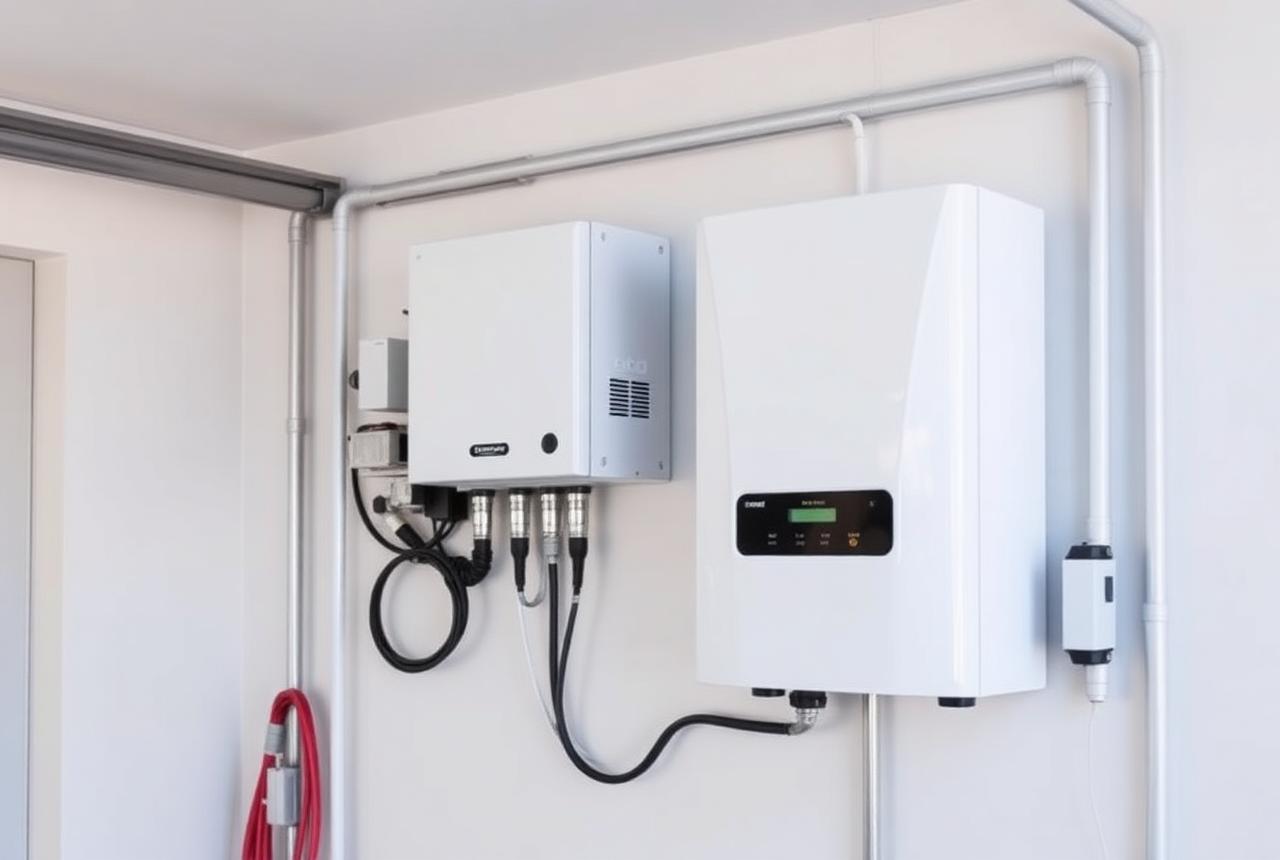
Inverter Converts to AC
Your inverter transforms DC electricity into alternating current (AC)—the type your home appliances use.

Power Your Home
Clean solar electricity flows to your electrical panel, powering lights, appliances, and everything in your home.
How Solar Actually Works
No complicated physics—just a simple process that turns sunlight into savings on your electric bill.
Panels Capture Sunlight
Solar panels on your roof absorb sunlight throughout the day. Even on cloudy days, they still generate power—just like you can still get a sunburn through clouds.
The panels contain special cells that get excited when light hits them, creating an electrical current. Think of it like a plant doing photosynthesis, but instead of growing leaves, it makes electricity.
Inverter Converts Power
The electricity from your panels is 'direct current' (DC)—the same type in batteries. Your home uses 'alternating current' (AC), so an inverter makes the conversion.
This happens instantly and automatically. The inverter is like a translator that converts the solar language into the language your appliances understand.
Your Home Uses Free Power
The converted electricity flows directly to your lights, appliances, and everything else—exactly like utility power, but without the bill.
Your home uses solar power first, and only pulls from the grid if you need more. It's completely seamless—you won't notice any difference except on your bill.
But What Happens When You Make More Power Than You Need?
On a sunny afternoon, your panels might produce way more electricity than your home is using. That extra power doesn't just disappear—you have two options:
Get credits from your utility for the power you share
Use your own power at night or during outages
Your panels work hardest midday when the sun is strongest
Getting Paid for Extra Power
Net metering lets you "sell" your extra solar power back to the utility company—but here's the catch.
How It Works
Your panels produce more than you use. The extra power flows to the grid, and your meter literally spins backwards.
When your panels aren't producing, you pull power from the grid—but you use the credits you built up during the day.
You only pay for the "net" difference. If you produced more than you used, you might owe almost nothing—or even get a credit!
⚠️ The Catch: Not All Utilities Offer Net Metering
Here's the frustrating reality: net metering policies vary wildly by state and utility company. Some utilities are actively fighting to reduce or eliminate net metering benefits.
💡 The Solution: Battery Storage
This is why battery storage is becoming so popular. Instead of relying on your utility to credit you fairly, you store your extra power and use it yourself later.
Grid-Tied vs Off-Grid
Should you stay connected to the utility grid or go completely independent? Here's what each option means for you.
Grid-Tied
Most Common Choice
Your solar system stays connected to the utility grid. You use solar power when it's available, and automatically switch to grid power when needed (like at night). This is what 95%+ of homeowners choose.
Pros:
Cons:
Homeowners who want to save money with minimal complexity
Off-Grid
Complete Independence
You completely disconnect from the utility grid. Your solar panels and battery bank provide 100% of your electricity. You're truly energy independent—but it requires more planning.
Pros:
Cons:
Rural properties, preppers, or those who want zero utility dependence
The Best of Both Worlds: Grid-Tied with Battery Backup
Most SunLink customers choose this hybrid approach. You stay connected to the grid for net metering benefits, but add a battery for backup power and to store energy when net metering rates are unfavorable.
Ready to Start Generating Your Own Power?
Now that you understand how solar works, see what a custom system would look like for your home. Get a free quote in minutes—no phone calls required.
Design My System